
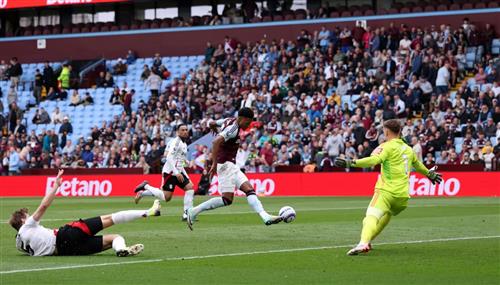
Sports betting has exploded in popularity, offering excitement and potential rewards for fans worldwide. If you’ve ever wondered what it means for a team to ‘cover the spread,’ you’re in the right place. This comprehensive guide dives into cover betting, a fundamental concept in sports wagering that can enhance your understanding and strategy. Whether you’re a novice or looking to refine your approach, we’ll cover everything from basics to advanced tips, ensuring you make informed decisions.
What is Cover Betting?
Cover betting, often referred to as covering the spread, is a key term in sports betting. It refers to a scenario where a team not only wins but does so by a margin that beats the point spread set by oddsmakers. This type of betting levels the playing field between favorites and underdogs, making games more engaging for bettors.
Definition of Covering the Spread
In point spread betting, the favorite must win by more than the spread for bettors to win their wager. Conversely, the underdog can lose by less than the spread or win outright to cover. For example, if the spread is -7 for the favorite, they need to win by at least 8 points to cover. This mechanic adds strategy beyond just picking winners.
Example in Popular Sports
Let’s take American football. Suppose the New England team is favored by 6.5 points against Miami. If New England wins 28-20 (an 8-point margin), they cover the spread. If they win 24-20 (4-point margin), they fail to cover, and bets on Miami would win since they lost by less than 6.5. Similar principles apply in basketball, where spreads can be higher due to scoring volume.
How Point Spread Betting Works
Point spreads are determined by sportsbooks to balance action on both sides of a game. Oddsmakers analyze factors like team performance, injuries, and home-field advantage to set the line. Cover betting thrives here, as it requires predicting not just the winner but the margin of victory.
Bettors place wagers at odds typically around -110, meaning a $110 bet wins $100 if successful. Understanding vig (the bookmaker’s cut) is crucial for long-term success in cover betting.
Factors Influencing the Spread
Key elements include recent form, player stats, weather (for outdoor sports), and public sentiment. For instance, a star player’s injury might shift the spread by several points, creating opportunities for savvy bettors to capitalize on cover betting scenarios.
Strategies for Successful Cover Betting
To excel in cover betting, combine knowledge with discipline. Here are practical tips and actionable advice from seasoned experts.
Research and Analysis Tips
Always review historical data. Look at how teams perform against the spread (ATS) in similar situations, like road games or against divisional rivals. Use resources like stats websites to track trends—some teams consistently cover as underdogs. Additionally, consider line movement; if the spread shifts, it might indicate sharp money influencing the odds.
Bankroll Management and Risk Considerations
Never bet more than 1-2% of your bankroll on a single game to mitigate losses. Diversify across multiple games rather than chasing big parlays. Experts recommend setting stop-loss limits to avoid emotional betting, a common pitfall in cover betting.
Benefits of cover betting include higher engagement with games and potentially better odds than straight moneyline bets. However, considerations include the risk of pushes (ties against the spread, resulting in refunds) and the impact of overtime in sports like basketball.
Expert Insights
As a seasoned SEO expert with ties to analytical strategies, I advise treating cover betting like content optimization—focus on data-driven decisions. For homeowners enjoying games from their living rooms, this approach adds fun without leaving the house, aligning with comfortable, informed leisure activities.
Comparing Betting Types
To contextualize cover betting, here’s a comparison with other popular bet types.
| Bet Type | Description | Pros | Cons |
|---|---|---|---|
| Point Spread (Cover Betting) | Bet on margin of victory | Balances uneven matchups; exciting | Requires precise prediction |
| Moneyline | Bet on outright winner | Simple; no spread worry | Lower odds on favorites |
| Over/Under | Bet on total points scored | Independent of winner; fun for high-scoring games | Weather-dependent |
This table highlights why cover betting appeals to strategic thinkers, offering a middle ground between simplicity and complexity.
Common Mistakes to Avoid in Cover Betting
Beginners often bet based on loyalty rather than data, leading to poor cover betting outcomes. Avoid chasing losses by doubling down, and don’t ignore home/away splits—teams cover differently in various venues. Expert recommendation: Track your bets in a journal to identify patterns and improve over time.
In terms of benefits, mastering cover betting can lead to consistent small wins, building your bankroll steadily. Considerations include legal aspects—ensure betting is allowed in your jurisdiction—and always gamble responsibly.
Summary: In this guide, we’ve explored cover betting from its definition and mechanics to strategies, comparisons, and pitfalls. By understanding how teams cover the spread, researching thoroughly, and managing your bankroll, you can elevate your sports betting experience. Remember, cover betting is about informed choices, not luck—apply these insights for better results and enjoy the thrill responsibly.